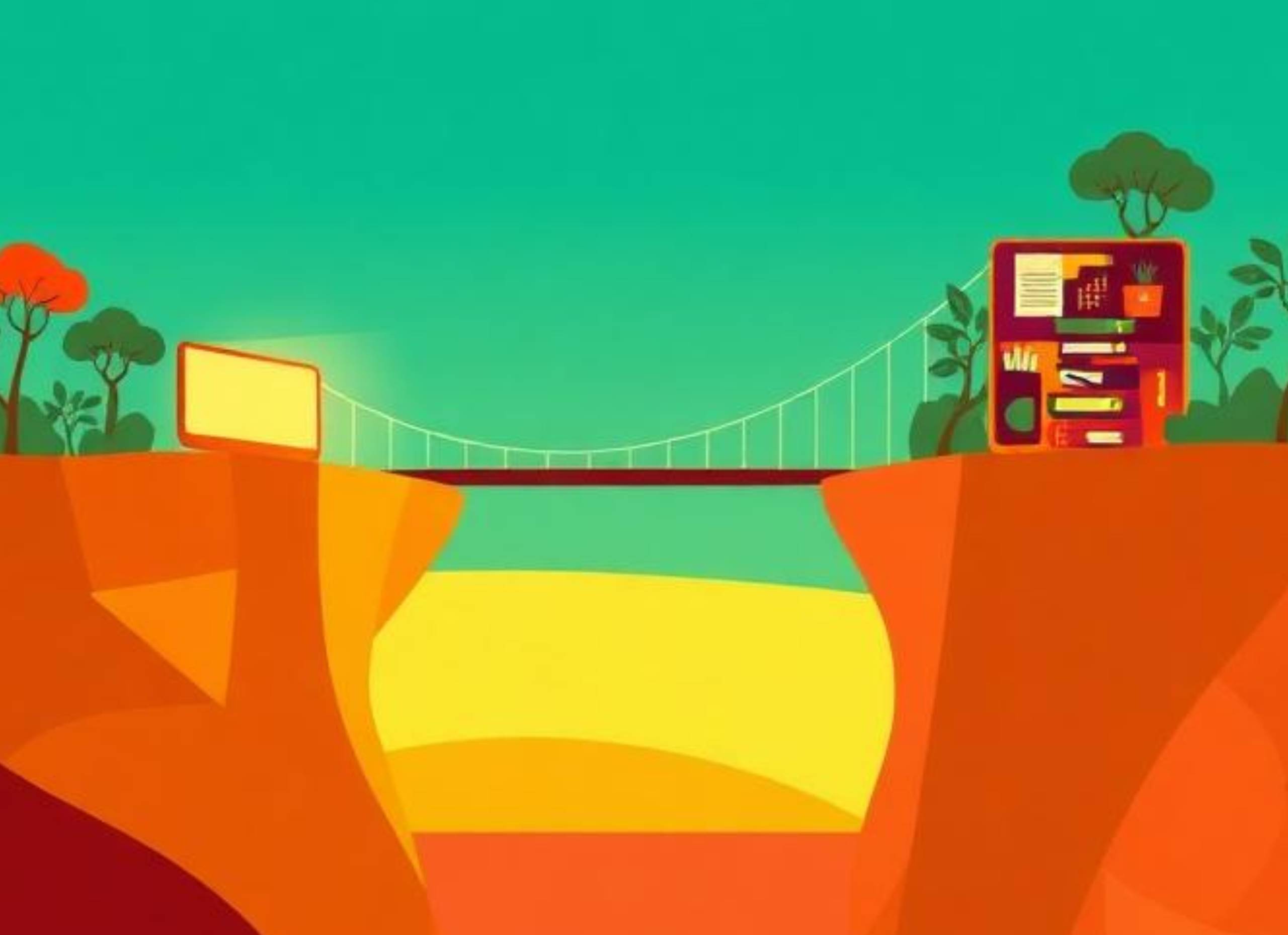
How Digital Learning Can Bring Education to Remote Communities
For millions of children, the greatest barrier to learning is not ability or effort – it is access.
Children in remote areas face many barriers to education. Long distances and unsafe roads make reaching school difficult, while a shortage of trained teachers and limited learning materials reduce the quality of education. Poor school infrastructure, poverty, and the cost of uniforms, books and even personal care items often prevent regular attendance. Natural disasters, harsh weather and health challenges further disrupt learning. Language and cultural differences make lessons hard to understand, and political instability or insecurity force schools to close.
These quiet struggles play out every day in remote communities across the world Education, which should open doors and create opportunity, instead feels distant and hard to reach. Each missed lesson slowly limits dreams before they have a chance to grow, quietly narrowing a child’s future.
But today, something powerful is changing this story. Through digital learning, education is beginning to move, reach, and meet learners where they are, bringing hope, knowledge, growth, and opportunity within reach.
What Is Digital Learning?
Digital learning is a way of sharing knowledge through technology. It allows lessons to reach people through devices such as computers, tablets, smartphones, radios, TVs, – connected to the internet or even offline – to access, interact with, and engage with educational content. Learning can happen by watching, listening, reading, or doing simple activities that build understanding step by step. Learning can happen by watching, listening, reading, or doing simple activities that build understanding step by step.
How Digital Learning Is Reaching Remote Communities
Digital learning has grown stronger and more effective thanks to advances in technology, connectivity, and rural electrification. Affordable internet, faster mobile networks, and wider access to smartphones and tablets are bringing lessons to remote and underserved communities. Expanding electricity to rural areas means more children can power devices and access digital content reliably. Even in regions with limited or no internet, solutions like offline apps, preloaded tablets, and radio-based lessons make learning possible. Cloud platforms, interactive content, and learning management systems enable teachers to share lessons quickly, monitor progress, and support learners effectively, making education more accessible and resilient than ever before.
Together, these technologies are making education more accessible, flexible, and affordable, helping children in remote areas join the global learning community.
Breaking Barriers: The Power of Digital Learning in Remote Areas
Here are some ways digital learning delivers education to children wherever they are, overcoming the barriers that once made learning difficult or out of reach in remote communities:
Learning anywhere, anytime
Digital learning brings lessons to homes, community centers, or even outdoor spaces, eliminating the need for long journeys and making education accessible wherever children are.
One teacher, many learners
With digital lessons, a single educator can reach hundreds – or even thousands – of learners at once, ensuring that quality teaching is available in communities with scarcity of teachers.
Content that connects
Digital lessons can be tailored in local languages and include real-life examples and culturally familiar stories. This makes learning meaningful, easy to understand, and engaging for children.
Learning that never stops
Digital learning ensures that education can continue even when schools close due to challenges such as floods, pandemics, or conflict. It allows children to keep learning in difficult circumstances, making education more resilient and reliable.
Flexible and inclusive
Digital learning adapts to each learner’s pace and needs. Learners can pause, repeat, and revisit lessons, which helps build confidence and ensures no child is left out of the learning process.
Why Parents Are Starting to Pay Attention
Parents are turning to digital learning because it gives their children opportunities that were once out of reach. It brings lessons directly to homes or community spaces, allowing children to learn safely and consistently. Beyond local lessons, digital learning opens access to a wider range of quality educational resources, including global content and perspectives that would otherwise be unavailable. It also equips children with skills that matter for the future – using technology, thinking critically, and solving problems in a world that increasingly relies on digital tools.
For parents, embracing digital learning is a way to is a way to open doors and expand their children’s horizons, prepare them for a connected world, and give them the tools to succeed no matter their prevailing circumstances.
What Learners Love About Digital Learning
Learners are drawn to digital learning because it makes education exciting, interactive, and easy to fit into their daily lives. Lessons come alive through videos, games, quizzes, and stories that keep children interested and motivated. They can explore topics at their own speed, revisit challenging concepts, and test their understanding without feeling embarrassed or rushed. Digital learning also gives them a sense of independence and control over their studies, turning learning from a chore into an adventure.
For many children, especially in remote communities, digital learning opens doors to knowledge and experiences they might never have had, sparking curiosity, confidence, and a love for learning that goes beyond the classroom.
Teachers Are Empowered, Not Replaced
Digital learning does not take teachers out of the classroom; instead, it gives them more power to teach effectively. With access to ready-made lessons, interactive tools, and resources from around the world, teachers can focus on guiding, encouraging, and inspiring their students rather than spending all their time preparing materials. They can track each child’s progress more easily, identify where support is needed, and adapt lessons to meet individual needs.
In remote communities where teachers are few, digital learning helps them reach more learners and make a bigger impact. Rather than replacing teachers, technology strengthens their role, turning them into mentors who can spark curiosity, build confidence, and ensure every child has the chance to succeed.
Small Steps, Big Impact
Digital learning demonstrates that even simple, low-cost measures can transform education in remote communities. Meaningful learning does not require expensive buildings or large budgets—small, well-planned tools and initiatives can create real opportunities for children. The key is ensuring that every learner, no matter how distant or resource-limited, has access to education. Here are some ways that thoughtful, small steps can ignite curiosity, expand knowledge, and open doors to a brighter future, showing that even modest efforts can produce a powerful impact:
Shared devices: One tablet or computer can serve several children, giving them access to lessons they would otherwise miss.
Offline content: Preloaded lessons, apps, and materials allow learning even without internet, ensuring no child is left behind.
Community learning hubs: Local spaces equipped with basic technology can become centers for group learning, discussion, and skill-building.
A Future Where No Child Is Too Far to Learn
When learning reaches every child, no matter where they live, it unlocks opportunity, builds confidence, and inspires hope. Digital learning is making this possible, showing that no distance is too great to give a child the chance to grow, dream, and create a brighter future.
When education reaches a child, that child can reach the world.