Blog

  • How to Become a Smart Digital Learner in the Modern World

    How to Become a Smart Digital Learner in the Modern World

    How to Become a Smart Digital Learner in the Modern World

    The world today is digital. From homework and online classes to games and social media, screens are everywhere. But just because kids spend a lot of time online doesn’t mean they are learning effectively.

    Being a smart digital learner is about learning smarter, faster, and safer. And the good news? Anyone can become one, with the right habits and mindset.

    Here is how.

    Set up your learning space

    Your environment matters. Even online, a proper study spot helps your brain focus.

    Find a quiet, comfortable space

    Keep your desk organized

    Make sure there is good lighting

    Keep your phone silent (unless you need it for studying).

    A small, neat space can make a huge difference and how much you absorb.

    Make a daily learning routine

    Smart learners don’t leave learning to chance, they schedule it.

    Set regular class and homework times

    Take short breaks to refresh your mind

    Mix learning and play to avoid burnout.

    Routines train your brain to focus when it is time to learn and relax when it is time to rest.

    Stay curious, ask questions

    Smart digital learners are not satisfied with just watching videos or reading slides. They ask questions like:

    “Why does this happen?”

    “How does this work?”

    “What are its effects?”

    Curiosity turns passive learning into active learning and makes lessons stick longer.

    Take smart notes

    Even online, writing your own notes helps you remember more.

    Use bullet points

    Summarize ideas in your own words

    Highlight key terms

    Draw diagrams if it helps.

    Notes are your personal guide to understanding.

    Manage your screen time wisely

    Not all screen time is learning. Smart digital learners balance focus and fun.

    Use apps and websites for lessons first

    Take regular breaks (try the Pomodoro Technique: 25 minutes of focus, 5 minutes of rest)

    Avoid distractions like social media or games while studying.

    Balance keeps your mind fresh and ready to absorb knowledge.

    Be safe and responsible online

    Digital learning comes with responsibilities:

    Protect personal information

    Use strong passwords

    Avoid clicking suspicious links

    Treat others with respect online.

    Smart learners know that being safe is part of being effective.

    Learn how to learn online

    Digital learning is different from classroom learning. Smart learners:

    Explore lessons at their own pace

    Research and re-watch tricky topics

    Take quizzes to check understanding

    Use videos, games, and interactive tools to reinforce learning.

    This flexibility makes online learning powerful, but only if you use it wisely.

    Collaborate and share knowledge

    Even online, learning is not a solo journey:

    Join study groups

    Discuss lessons with classmates

    Teach friends what you have learned.

    Sharing knowledge strengthens understanding and builds confidence.

    Celebrate your progress

    Smart learners notice growth. Small wins count incuding:

    Completing a lesson

    Passing a quiz

    Mastering a new skill.

    Celebrating achievements keeps motivation high and makes learning fun.

    Stay curious about the world

    The ultimate mark of a smart digital learner is curiosity beyond schoolwork:

    Explore topics you love

    Follow online tutorials

    Try new hobbies and challenges

    Ask questions about the world.

    Curiosity turns learning from a task into a lifelong adventure.

    Reflection

    Being a smart digital learner means using technology wisely, staying curious, managing time and focus, and protecting yourself online. It is about how you use that time to grow, explore, and prepare for the future.

    The modern world rewards those who can learn online, adapt quickly, and discover solutions on their own.

    Start today, and you will be ready for tomorrow, no matter what it brings.

  • How Technology Is Closing the Global Learning Gap – Faster Than We Think

    How Technology Is Closing the Global Learning Gap – Faster Than We Think

    How Technology Is Closing the Global Learning Gap – Faster Than We Think

    For many years, children around the world have never had the same learning opportunities. Some grew up with well-equipped schools, libraries, and tutors. Others learned in overcrowded classrooms, shared textbooks, or sometimes no textbooks at all.

    But something powerful is happening today. Technology is giving every child, no matter where they live, a chance to learn, grow, and shine. And it is happening much faster than many people realize.

    The Big Shift: Learning Is No Longer Limited by Location

    There was a time when your learning depended on where you lived. Not anymore. With just a phone, a laptop, or even a shared community device, a student in a small village can now learn the same science, math, or digital skills taught in big cities around the world. Today, technology makes it possible for:

    A student in Kenya to take a coding class from a teacher in Europe.

    A teen in India to join a global debate club online.

    A child in Australia to learn robotics through videos and interactive platforms.

    For the first time in history, knowledge truly travels freely.

    Why This Matters: A Fairer World for Every Learner

    When learning becomes accessible to everyone, everything changes. Technology helps to:

    Break income barriers by giving students low-cost or free learning tools.

    Bridge rural–urban gaps where resources used to be unequal.

    Support learners with special needs through audio tools, captions, and assistive tech.

    Bring world-class teachers to every home and classroom.

    When children everywhere get the same chance to learn, the world becomes fairer, more hopeful, and filled with more opportunities for everyone.

    The Tools Making the Biggest Difference

    Here are some simple ways technology is closing the learning gap every single day:

    Online learning platforms: Students can watch lessons, do quizzes, and learn at their own pace, anytime.

    Digital libraries: Kids can access thousands of books, videos, and resources that once were impossible to find locally.

    Educational apps: Learning apps make reading, math, languages, and coding fun and interactive for young learners.

    Virtual classrooms and communities: Children can learn content, connect, discuss, and grow together.

    AI-powered learning tools: AI helps to personalize lessons, giving each child what they truly need, like a personal tutor.

    Real Impact: Life Changing for Students Everywhere

    For many children, technology gives them hope for a better life by opening doors to learning, opportunities, and a brighter future. It helps:

    Boost confidence in learners who struggled before.

    Reduce isolation by connecting them to global friends and mentors.

    Open career doors in fields like tech, design, science, and entrepreneurship.

    Create independence as students learn to take charge of their education.

    For families and communities, this means a stronger, better prepared generation.

    But Technology Alone Is Not Enough

    Technology works best when adults support children along the way. Parents, teachers, and caregivers play a big role in:

    Guiding children on safe and smart internet use.

    Encouraging good digital habits.

    Helping them manage screen time.

    Supporting their emotional and physical wellbeing.

    When technology is combined with the right support, learning becomes easier, more effective, and truly transformative.

    The Future: A World Where Every Child Has a Fair Shot

    The global learning gap is closing – slowly in some areas, but much faster in others. What once felt impossible is now becoming normal: A world where every child, no matter their background, can access high-quality education.

    Imagine:

    More teenagers discovering their passions early.

    More youth gaining digital skills that open global careers.

    More children becoming confident, creative problem-solvers.

    This is happening right now!

    Reflection

    Technology is giving children a chance to dream bigger, learn better, and rise higher. The world is learning together now, and everyone deserves a seat at the table. Together we can make sure no child is left behind.

    Let us support our learners. Let us give them access. Let us help them thrive.

  • How Schools Can Build a Digital Learning Environment That Works

    How Schools Can Build a Digital Learning Environment That Works

    How Schools Can Build a Digital Learning Environment That Works

    Imagine a school that never closes

    Today, learning is no longer limited to four walls, fixed timetables, or one teacher at the front of a classroom. A classroom now lives beyond the school building – on phones, tablets, and shared digital spaces where learning continues anytime curiosity strikes. Students can revisit lessons when something is unclear, explore new ideas on their own, and stay connected with teachers and classmates even after the school day ends, while parents remain involved no matter where they are. This shift turns learning into an ongoing journey, not a one-time event.

    When schools design digital learning with care, clear purpose, and people at the center, the classroom becomes a living space that grows with the child – flexible, supportive, and always open to discovery.

    Start with the learner, not the technology

    A digital learning environment only works when it starts with people, not devices. Too often, schools rush to buy desktops, laptops, or tablets before thinking it through. The most effective digital schools begin with one simple question: *

    “How do our children learn best?”

    Before choosing platforms or buying hardware, schools must first understand their learners – how they think, what excites them, and where they struggle. Every child learns differently, and technology should be shaped around those differences, not the other way around.

    When digital learning is designed with students at the center, lessons become flexible, welcoming, interactive, and personalized. Children can explore ideas in ways that suit them, revisit topics without pressure, and build confidence at their own pace. When students feel seen and supported, learning feels safe, curiosity grows, and motivation comes naturally. That is when technology stops being a tool on a screen and becomes a bridge to real understanding and lasting growth.

    Support teachers to teach smarter

    Teachers are at the heart of every successful classroom, and a strong digital learning environment is designed to empower them, not burden them. When schools provide the right tools, training, and support, teachers can plan lessons more efficiently, track student progress in real time, and spot learning gaps before they grow. This allows them to focus on what truly matters: guiding, inspiring, and challenging students to reach their potential.

    Digital platforms also connect teachers with colleagues locally and globally, enabling them to share ideas, learn new techniques, and continuously improve their practice. By supporting teachers to teach smarter, schools create a ripple effect – students receive more personalized attention, lessons become more engaging, and the entire learning environment grows stronger, more inclusive, more meaningful, and more effective.

    Keep parents in the learning journey

    Keeping parents actively involved is crucial for a child’s success, and a well-designed digital learning environment makes this possible. Digital tools give parents clear, simple access to what their children are learning, student progress, and areas where extra support is needed, without overwhelming them with technical details.

    When parents can easily track, and engage with their child’s learning, they can celebrate achievements, address challenges early, and provide necessary support and encouragement. This connection transforms education into a team effort, building trust between schools and families, aligning shared goals, boosting motivation, and creating a supportive community where children feel confident, inspired, and ready to reach their full potential.

    Build strong, simple, and inclusive systems

    A digital learning environment is only as effective as its ability to reach every learner. Schools must choose systems that are easy to access and navigate, compatible with different devices including phones, tablets, and computers, and offer offline options for areas with limited internet. Inclusive platforms ensure that students in rural regions, low-income communities, or challenging environments can access the same quality education as those in well-resourced schools.

    Simple, well-designed systems reduce frustration for teachers, students, and parents, allowing learning to focus on growth rather than technical hurdles. By prioritizing accessibility and inclusion, schools create stronger, fairer educational communities where every child has the tools and opportunity to succeed, fostering confidence, curiosity, and lifelong learning.

    Use data to improve learning, not pressure students

    One of the greatest advantages of digital learning is the wealth of data it provides – but this data should guide growth, not create stress. By carefully analyzing how students interact with lessons, schools can identify areas where learners struggle, pinpoint gaps in understanding, and adjust teaching strategies quickly. This allows teachers to provide timely support, personalize learning, and make informed decisions about curriculum and resources, all without putting unnecessary pressure on students.

    When used thoughtfully, data empowers educators to enhance learning outcomes, helps students to progress confidently at their own pace, and ensures that every child gets the guidance they need to thrive.

    Prepare students for a changing world

    The world around us is evolving faster than ever, and many of the careers that today’s children will pursue have not even been imagined yet. A well-designed digital learning environment equips students with lifelong skills – critical thinking, creativity, collaboration, adaptability, and resilience – that help them navigate uncertainty and seize new opportunities. Beyond mastering subjects, students learn how to learn: how to explore, experiment, and solve problems independently.

    This approach builds confidence, curiosity, and flexibility, giving every child the tools to thrive in a future that is constantly shifting and full of possibilities.

    Reflection

    Creating a digital learning environment that truly works goes far beyond buying the latest devices or following trends. It is about designing a system that puts students first, empowers teachers, involves parents, and reaches every child, no matter where they are or how they learn. When done thoughtfully, digital learning does more than deliver lessons; it sparks curiosity, builds confidence, and opens doors to opportunities that were once out of reach. Ultimately, a strong digital learning environment gives every child a fair chance to explore, grow, and succeed, today and in the future.

  • How Online Learning Can Help You Discover Your Career Early

    How Online Learning Can Help You Discover Your Career Early

    How Online Learning Can Help You Discover Your Career Early

    If you ask a teenager what they want to be in future, many will say:

    “I don’t know yet.”

    And that is okay. Choosing a career can feel scary. The world has thousands of jobs, and new ones appear every year. How is anyone supposed to know what fits them best?

    But here is the good news: online learning makes this easier than ever before. It turns the confusing question

    “What should I become?”

    into an exciting journey of discovery.

    Let us explore how online learning can help young people find their passion early, confidently, safely, and in a fun, simple way.

    You can explore many careers without pressure

    Before online learning, discovering careers was hard. You needed books, career counsellors, special classes, or someone who already knew the field.

    Now? A child anywhere in the world can explore: medicine, engineering, farming, coding, acting, business, fashion, aviation, robotics, art, photography, architecture, teaching, …and so much more, right from their phone or tablet. With online learning, exploring careers is like trying on clothes – you can “test” many until one fits perfectly.

    Online courses help individuals to discover what they enjoy (and what they don’t!)

    Sometimes young people think they want a certain career… until they try it. Someone might say:

    “I want to be a doctor!”

    Then they try a biology course and realize they hate blood. Another might say:

    “I don’t like math.”

    Then they try a coding game and discover they are actually brilliant at it.

    Online learning lets users try new things, fail safely, switch quickly, follow curiosity and learn without embarrassment. That freedom helps them discover who they really are.

    Individuals gain skills that point them in the right direction

    Every online lesson builds real skills. For example:

    A child who enjoys editing videos may be creative or detail-oriented.

    A teen who loves solving math puzzles may be great in engineering.

    Someone who enjoys storytelling might thrive in media, writing, or teaching.

    A student who loves online science experiments could excel in STEM careers.

    These skills are clues, and together, they form a map that points toward the right future.

    Online learning builds confidence — a key part of career discovery

    Career choice is not only about talent. It is also about confidence. Online learning helps students grow their courage by letting them:

    Learn at their own pace

    Ask questions without fear

    Retry lessons until they understand

    Celebrate small wins

    See their progress clearly

    A confident child dares to dream. A confident teen dares to choose.

    Access to global inspiration

    In the digital world, role models are everywhere – and one inspiring video can spark a lifetime purpose. Online learning gives young people access to:

    Mentors

    Experts

    Teen innovators

    Young entrepreneurs

    Inspirational stories

    Real talks about real careers.

    Seeing someone your age build an app or start a business can completely change how you see your own abilities.

    Online learning helps you see the future of work clearly

    Many future jobs don’t even exist yet. But online learning is up-to-date. It teaches skills like: AI, coding, robotics, digital design, data skills, online business, content creation, problem-solving, and innovation among others. These skills power the careers of tomorrow, and young people who begin learning them early gain a major advantage

    It levels the playing field for every child

    This might be the most beautiful part. Online learning gives equal opportunity to:

    Kids in cities

    Kids in villages

    Kids in private schools

    Kids in public schools

    Kids with different abilities

    Kids from marginalized backgrounds.

    With a phone, tablet, or shared computer, any child can discover their future without waiting for someone else to tell them who to be.

    Reflection

    Choosing a career shouldn’t feel scary. It should feel exciting. Online learning makes that excitement possible. It opens doors, lights paths, reveals strengths, and helps young people find what truly makes them come alive.

    So, whether you are a parent with a curious child, a teen unsure about the future, a teacher guiding learners, or a young person exploring your purpose, remember this: The earlier you explore, the clearer your future becomes.

    Online learning teaches possibilities. And somewhere online, your future career is waiting for you to click “Start Lesson.”

  • How E-Learning Protects Education During Crises (Pandemics, Conflicts, Disasters)

    How E-Learning Protects Education During Crises (Pandemics, Conflicts, Disasters)

    How E-Learning Protects Education During Crises (Pandemics, Conflicts, Disasters)

    Imagine waking up one day and finding that your school is closed – maybe because of a pandemic, a natural disaster, or conflict in your area. Suddenly, learning feels uncertain, and students everywhere risk losing precious time and opportunities.

    This is where e-learning becomes a lifeline. It keeps education alive even when classrooms are not.

    Let us explore how digital learning protects children’s education during crises and why it matters for every learner worldwide.

    Learning does not stop, no matter what happens

    During crises, schools may close for days, weeks, or even months. Without learning support, students can fall behind quickly. E-learning platforms ensure that lessons continue online:

    Students can access live or recorded classes, quizzes, and exercises anytime.

    Teachers can monitor progress and provide feedback remotely.

    Learning becomes flexible, allowing students to study from home or safe spaces.

    This continuity prevents gaps in knowledge and keeps learners engaged and on track.

    Safety comes first, without sacrificing education

    In times of pandemics or disasters, safety is the top priority. E-learning allows students to stay home or in safe locations while still learning effectively. It reduces the risks of exposure to disease or danger while ensuring education continues uninterrupted.

    Supporting teachers and schools during tough times

    Crises affect teachers and schools too. E-learning tools help teachers to continue offering steady support to learners during difficult times by allowing them to:

    Deliver lessons without physically being in a classroom.

    Track student progress and engagement online.

    Collaborate with other educators and share resources digitally.

    Save time and reduce stress while still providing quality education.

    Teachers around the world are quickly adapting to e-learning, finding new ways to keep learning resilient and uninterrupted.

    Bridging the gap for vulnerable students

    Beyond offering convenience, e-learning also promotes fairness. During conflicts or disasters, many vulnerable students lose access to traditional schooling, but digital learning helps to ensure that learning continues even during the most difficult situations. It provides:

    Free or low-cost digital resources.

    Mobile-friendly lessons for students with limited technology or physical access.

    Inclusive learning opportunities for children with disabilities or special needs.

    Building resilient, future-ready learners

    E-learning also gives students the skills they need for the future – skills that make them more adaptable, resilient, and ready to handle whatever challenges come their way. Through digital learning, students develop:

    Digital literacy and problem-solving skills

    Self-discipline and independent learning habits

    Confidence in navigating online tools and resources.

    The global impact of e-learning in crises

    From pandemic lockdowns to areas affected by natural disasters or conflict, e-learning has proven to be a global solution in supporting learning anywhere. It has shown that education can survive – even thrive – when traditional classrooms face disruption. Here are a few examples:

    In many disaster-hit communities, students continued learning through digital classrooms, helping them stay connected to teachers, routines, and emotional support even when they were displaced.

    In refugee camps, organizations provided tablets and offline digital libraries, allowing children to keep learning even when schools were unsafe or destroyed.

    In places with frequent typhoons, digital learning tools, like mobile classes and online lessons, helped students continue their studies when schools were flooded or damaged.

    In some remote and hard-to-reach areas where teachers are few or resources are limited, e-learning reduces educational gaps by giving students access to lessons through mobile phones or offline apps.

    Global organizations like UNICEF, UNESCO, and the World Bank support digital learning in low-income countries, especially during crises, ensuring that education continues no matter the situation.

    Reflection

    Crises may disrupt education, but they cannot stop learning. E-learning keeps education going, protects students, and gives children everywhere the chance to keep growing, exploring, and preparing for the future. By supporting e-learning, parents, teachers, and communities can make sure education remains a constant, even when the world feels uncertain.

  • How Digital Learning Can Bring Education to Remote Communities

    How Digital Learning Can Bring Education to Remote Communities

    How Digital Learning Can Bring Education to Remote Communities

    For millions of children, the greatest barrier to learning is not ability or effort – it is access.

    Children in remote areas face many barriers to education. Long distances and unsafe roads make reaching school difficult, while a shortage of trained teachers and limited learning materials reduce the quality of education. Poor school infrastructure, poverty, and the cost of uniforms, books and even personal care items often prevent regular attendance. Natural disasters, harsh weather and health challenges further disrupt learning. Language and cultural differences make lessons hard to understand, and political instability or insecurity force schools to close.

    These quiet struggles play out every day in remote communities across the world Education, which should open doors and create opportunity, instead feels distant and hard to reach. Each missed lesson slowly limits dreams before they have a chance to grow, quietly narrowing a child’s future.

    But today, something powerful is changing this story. Through digital learning, education is beginning to move, reach, and meet learners where they are, bringing hope, knowledge, growth, and opportunity within reach.

    What Is Digital Learning?

    Digital learning is a way of sharing knowledge through technology. It allows lessons to reach people through devices such as computers, tablets, smartphones, radios, TVs, – connected to the internet or even offline – to access, interact with, and engage with educational content. Learning can happen by watching, listening, reading, or doing simple activities that build understanding step by step. Learning can happen by watching, listening, reading, or doing simple activities that build understanding step by step.

    How Digital Learning Is Reaching Remote Communities

    Digital learning has grown stronger and more effective thanks to advances in technology, connectivity, and rural electrification. Affordable internet, faster mobile networks, and wider access to smartphones and tablets are bringing lessons to remote and underserved communities. Expanding electricity to rural areas means more children can power devices and access digital content reliably. Even in regions with limited or no internet, solutions like offline apps, preloaded tablets, and radio-based lessons make learning possible. Cloud platforms, interactive content, and learning management systems enable teachers to share lessons quickly, monitor progress, and support learners effectively, making education more accessible and resilient than ever before.

    Together, these technologies are making education more accessible, flexible, and affordable, helping children in remote areas join the global learning community.

    Breaking Barriers: The Power of Digital Learning in Remote Areas

    Here are some ways digital learning delivers education to children wherever they are, overcoming the barriers that once made learning difficult or out of reach in remote communities:

    Learning anywhere, anytime

    Digital learning brings lessons to homes, community centers, or even outdoor spaces, eliminating the need for long journeys and making education accessible wherever children are.

    One teacher, many learners

    With digital lessons, a single educator can reach hundreds – or even thousands – of learners at once, ensuring that quality teaching is available in communities with scarcity of teachers.

    Content that connects

    Digital lessons can be tailored in local languages and include real-life examples and culturally familiar stories. This makes learning meaningful, easy to understand, and engaging for children.

    Learning that never stops

    Digital learning ensures that education can continue even when schools close due to challenges such as floods, pandemics, or conflict. It allows children to keep learning in difficult circumstances, making education more resilient and reliable.

    Flexible and inclusive

    Digital learning adapts to each learner’s pace and needs. Learners can pause, repeat, and revisit lessons, which helps build confidence and ensures no child is left out of the learning process.

    Why Parents Are Starting to Pay Attention

    Parents are turning to digital learning because it gives their children opportunities that were once out of reach. It brings lessons directly to homes or community spaces, allowing children to learn safely and consistently. Beyond local lessons, digital learning opens access to a wider range of quality educational resources, including global content and perspectives that would otherwise be unavailable. It also equips children with skills that matter for the future – using technology, thinking critically, and solving problems in a world that increasingly relies on digital tools.

    For parents, embracing digital learning is a way to is a way to open doors and expand their children’s horizons, prepare them for a connected world, and give them the tools to succeed no matter their prevailing circumstances.

    What Learners Love About Digital Learning

    Learners are drawn to digital learning because it makes education exciting, interactive, and easy to fit into their daily lives. Lessons come alive through videos, games, quizzes, and stories that keep children interested and motivated. They can explore topics at their own speed, revisit challenging concepts, and test their understanding without feeling embarrassed or rushed. Digital learning also gives them a sense of independence and control over their studies, turning learning from a chore into an adventure.

    For many children, especially in remote communities, digital learning opens doors to knowledge and experiences they might never have had, sparking curiosity, confidence, and a love for learning that goes beyond the classroom.

    Teachers Are Empowered, Not Replaced

    Digital learning does not take teachers out of the classroom; instead, it gives them more power to teach effectively. With access to ready-made lessons, interactive tools, and resources from around the world, teachers can focus on guiding, encouraging, and inspiring their students rather than spending all their time preparing materials. They can track each child’s progress more easily, identify where support is needed, and adapt lessons to meet individual needs.

    In remote communities where teachers are few, digital learning helps them reach more learners and make a bigger impact. Rather than replacing teachers, technology strengthens their role, turning them into mentors who can spark curiosity, build confidence, and ensure every child has the chance to succeed.

    Small Steps, Big Impact

    Digital learning demonstrates that even simple, low-cost measures can transform education in remote communities. Meaningful learning does not require expensive buildings or large budgets—small, well-planned tools and initiatives can create real opportunities for children. The key is ensuring that every learner, no matter how distant or resource-limited, has access to education. Here are some ways that thoughtful, small steps can ignite curiosity, expand knowledge, and open doors to a brighter future, showing that even modest efforts can produce a powerful impact:

    Shared devices: One tablet or computer can serve several children, giving them access to lessons they would otherwise miss.

    Offline content: Preloaded lessons, apps, and materials allow learning even without internet, ensuring no child is left behind.

    Community learning hubs: Local spaces equipped with basic technology can become centers for group learning, discussion, and skill-building.

    A Future Where No Child Is Too Far to Learn

    When learning reaches every child, no matter where they live, it unlocks opportunity, builds confidence, and inspires hope. Digital learning is making this possible, showing that no distance is too great to give a child the chance to grow, dream, and create a brighter future.

    When education reaches a child, that child can reach the world.
  • How Data Can Improve Learning Outcomes in Real Time

    How Data Can Improve Learning Outcomes in Real Time

    How Data Can Improve Learning Outcomes in Real Time

    Imagine a classroom that feels alive, where learning adapts to each student like a conversation rather than a lecture. In this classroom, teachers instantly see which lessons spark understanding and which need more attention, allowing them to guide students exactly where help is needed. Parents can step in at the right moments, offering support without guessing or stressing. Students move at their own pace, exploring topics confidently and correcting mistakes as they happen.

    With real-time learning data, the classroom becomes a responsive, dynamic space, one that grows with every student, turning challenges into opportunities and making learning feel personal, fair, and exciting.

    Why Data Matters in Learning

    Data matters in learning because it reveals the story behind each student’s progress. It shows not just what a learner knows, but how they learn, where they get stuck, and what excites them most. For teachers, this means lessons can be adjusted instantly to meet real needs rather than guessing what works. For parents, it provides clarity and confidence, so support at home is focused and helpful. And for students, data turns learning into a personal journey – one where successes are celebrated, challenges are understood, and mistakes become stepping stones rather than setbacks.

    When every step of learning is guided by data, the process becomes smarter, faster, and more meaningful for everyone.

    How Real-Time Data Works in the Classroom

    Real-time data works like a live map of learning, showing exactly how students are doing at the very moment they engage with lessons. Online quizzes instantly reveal which questions are tricky, while learning apps track skills that need extra practice. Even interactive games quietly collect information on how students solve problems, how long they take, and where they hesitate.

    Teachers can use this information immediately, adjusting lessons on the spot, offering support where it is needed, and challenging students who are ready to move ahead. This dynamic feedback ensures that every learner progresses at their own pace, making the classroom a responsive, supportive space where no one is left behind and every success counts.

    Benefits for Students, Teachers, and Parents

    Using real-time data in learning benefits everyone in the classroom and beyond. Students gain a personalized experience, seeing exactly what they understand and where they need more practice, which builds confidence and a sense of control over their learning. Teachers save time on grading and tracking progress manually, allowing them to focus on creating lessons that truly meet students’ needs and giving extra attention to those who need it most. Parents get a clear picture of their child’s progress at home, making it easier to provide support, celebrate achievements, and encourage learning without guesswork. Together, this creates a classroom ecosystem where everyone – students, teachers, and parents – feels empowered, connected, and part of the journey toward success.

    Using Data Without Stress

    Using data in learning doesn’t have to feel confusing or overwhelming. When used the right way, it can guide students, teachers, and parents without creating pressure. Here is how to make it work smoothly and effectively:

    Focus on actionable insights: Don’t just look at numbers or scores. Pay attention to what the data is telling you about what to do next. For example, if a student struggles with a specific math topic, use that information to plan extra practice or explanations, rather than just noting the low score.

    Pair data with human care: Data is helpful, but it cannot replace encouragement, understanding, and guidance. Combine insights from technology with empathy -praise effort, offer support when needed, and talk with students about how to improve. This keeps learning positive and motivating.

    Use simple tools: Choose apps, platforms, or systems that are easy to understand for both students and teachers. Complex dashboards or too much information can cause confusion. Simple visuals like progress bars, charts, or highlighted areas of difficulty make it easy to see what matters most.

    Prioritize progress, not perfection: The goal of using data is to help learners grow, not to make them feel pressured. Celebrate small improvements and milestones, and use data to guide the next steps instead of focusing on mistakes or perfect results.

    Keep it manageable: Don’t try to track everything at once. Introduce data gradually, focusing on the most important areas first. This prevents students and teachers from feeling overloaded and keeps the process calm and productive.

    When handled thoughtfully, data becomes a supportive friend in learning, turning learning into a clear, guided journey rather than a source of pressure.

    A Final Thought

    Real-time learning data has the power to make education truly personal and transformative. It allows teachers to guide lessons with precision, students to understand their own learning journey, and parents to provide the right support at the right time. When everyone works together with clear insights, learning becomes more engaging, effective, and joyful. Mistakes turn into opportunities, progress becomes visible, and confidence grows with every step.

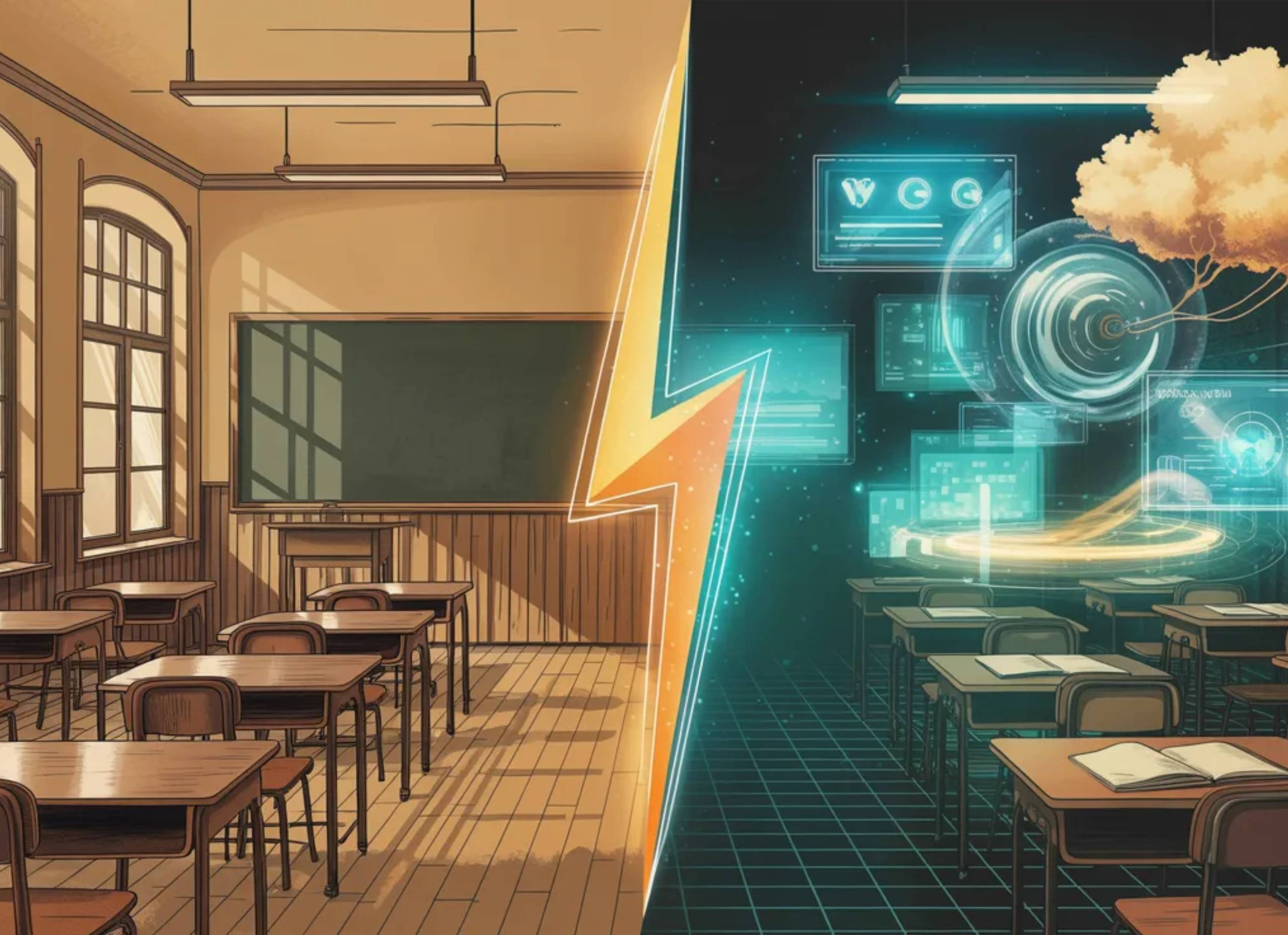
  • From Chalkboards to Cloud Learning: A Global Shift We Can’t Ignore

    From Chalkboards to Cloud Learning: A Global Shift We Can’t Ignore

    From Chalkboards to Cloud Learning: A Global Shift We Can’t Ignore

    Imagine a world where learning never stops, where a child in a remote village can join the same lesson as a student in a bustling city halfway across the globe. Gone are the days when education was confined to dusty classrooms, heavy textbooks, and chalkboards. Today, the classroom has expanded into the cloud – an endless space of opportunities, ideas, and connection. This transformation is about giving every child a chance to explore, create, and thrive. From personalized lessons to virtual collaboration with peers worldwide, cloud learning is reshaping not only how we learn, but who we can become. This global shift is happening now, and its impact on the next generation is too important to ignore.

    Why This Shift Matters

    The shift from traditional classrooms to cloud learning matters because the world our children are growing into demands more than memorized facts. Every day, industries transform, technologies emerge, and global challenges require fresh solutions. To thrive, students need the ability to think critically, solve complex problems, collaborate across cultures, and adapt to change with confidence. Cloud learning gives them the tools to do all this – interactive lessons, simulations, and digital projects turn abstract concepts into real-world experiences, making learning exciting, meaningful, and tailored to each child’s pace and style. By embracing this shift, we teach content while shaping resilient, creative, and capable minds ready to face a future full of unknown possibilities.

    Learning Without Limits

    Cloud learning breaks down the walls that once kept education out of reach for millions of children. Distance, poverty, or conflict no longer have to determine who gets to learn. A student in a remote mountain village can join a live science experiment with peers across continents, while a child in a refugee camp can follow lessons on a tablet or even through a radio broadcast. This unlimited access empowers every learner to reach their full potential, discover new ideas, and connect with the world in ways that were unimaginable just a few years ago. By removing these barriers, cloud learning ensures that every child, no matter their circumstances, has a chance to dream bigger, learn further, and create a brighter future.

    Empowering Teachers and Parents

    Cloud learning transforms students’ experiences and empowers the adults guiding them as well. Teachers gain powerful tools to understand each child’s strengths, spot struggles early, and craft lessons that fit every learning style, making teaching more precise and impactful. Parents, once limited to occasional progress reports, can now actively follow their children’s learning journey, celebrate milestones, and provide timely support. This partnership between educators, parents, and technology creates a nurturing environment where children feel seen, encouraged, and motivated. By equipping the people who shape young minds with the right tools, cloud learning ensures that every child has the guidance, support, and confidence they need to thrive.

    Preparing for a digital Future

    The future is full of opportunities we can barely imagine, and the jobs our children will do may not even exist today. Cloud learning equips students with the skills and confidence to navigate this unknown world. Beyond coding or digital tools, they learn to think creatively, solve complex problems, work with diverse teams, and adapt quickly to change. By exploring new ideas, experimenting safely online, and collaborating with peers across the globe, children grow into innovators and problem-solvers ready to shape the future. With cloud learning, education becomes a Launchpad, not just for passing exams, but for preparing young minds to embrace challenges, seize opportunities, and thrive in a rapidly evolving, interconnected world.

    Reflection

    Apart from the move from chalkboards to cloud learning heralding a change in tools, it transforms what education can be and who it can reach. It is about giving every child, no matter where they are or what challenges they face, the chance to explore, create, and connect with the world. By embracing cloud learning, we unlock opportunities, build confidence, and nurture a generation ready to innovate, collaborate, and shape a brighter, more inclusive world for all.

  • Cloud-Based Learning vs Traditional Systems: What is the Difference?

    Cloud-Based Learning vs Traditional Systems: What is the Difference?

    Cloud-Based Learning vs Traditional Systems: What is the Difference?

    Digital learning uses technology such as computers, tablets, smartphones, radios, TVs – connected to the internet or even offline – to access, interact with, and engage with educational content. Yet, not all digital learning systems deliver the same experience. Some feel slow, restrictive, and limited, while others are seamless, responsive, and filled with rich, engaging content and versatile tools that make learning more exciting. At the heart of this difference is a crucial distinction: traditional systems versus cloud-based learning.

    Traditional Systems: Familiar but Limited

    Traditional learning systems form the foundation of education that many of us grew up with. Built around classrooms, textbooks, and local computers or servers, they keep lessons, assignments, and student records largely confined within school walls. Access to learning is often limited by location, as materials are tied to specific classrooms or school computers, making learning beyond those spaces challenging. Sharing work can be cumbersome, and if a computer fails or files are lost, valuable materials may disappear entirely.

    Most traditional systems are difficult to scale or update, since adding new users, features, or content typically requires manual effort, technical support, and sometimes slow, costly, and time-consuming upgrades. Many users experience traditional systems as resource-intensive, rigid, and restrictive, with processes that are lengthy, limiting, and often frustrating. They struggle to keep pace with the demands of today’s fast-moving world where learning, collaboration, and problem-solving increasingly happen anytime, anywhere.

    Cloud-Based Learning: Learning Without Walls

    Cloud-based learning removes the boundaries of traditional classrooms, transforming education into a continuous, flexible, and interactive experience. Lessons, assignments, resources, and reports are stored online, giving students, teachers, and parents instant access anytime, from anywhere, and on almost any device with an internet connection.

    Beyond what traditional systems offer, cloud-based platforms include additional features such as real-time collaboration, automatic backups, progress tracking, analytics, and seamless updates, all built into the learning experience. Work is saved automatically, updates happen instantly, and feedback is delivered in real time, making learning smoother, more reliable, and better organized. Students can move at their own pace, teachers can personalize instruction and provide support tailored to each learner, and parents can actively follow progress and contribute to their child’s learning without confusion or delay. Collaboration across distances becomes seamless, enabling group projects, discussions, and teamwork beyond school walls.

    Traditional Systems or Cloud-Based Learning – Which Way Forward?

    Deciding whether to rely fully on traditional systems or to embrace cloud-based learning requires a clear understanding of how each approach shapes the learning experience, influences outcomes, and affects overall impact. This includes considering how they support learners’ growth, engagement, future opportunities, and meaningful participation in society. There is no one-size-fits-all solution; the most effective approach depends on the unique needs, circumstances, and goals of users – learners, teachers, schools, and communities.

    Traditional systems remain invaluable for providing structure, routine, and in-person interaction. They create spaces where students develop social, emotional, and practical skills under the guidance of teachers. However, they often lack the flexibility, scalability, and real-time responsiveness that today’s learners require. In contrast, cloud-based learning expands the reach of education by providing anytime, anywhere access, instant updates, personalized instruction, real-time feedback, and seamless collaboration beyond the classroom walls, among many other benefits.

    Adopting cloud-based systems does come with real challenges. Reliable internet and robust infrastructure are essential, while gaps in devices or connectivity can limit access. Teachers, students, and parents need training to use digital tools effectively, and data privacy, security, and compliance must be carefully managed. Costs for devices, subscriptions, maintenance, and ongoing support must be carefully planned to ensure sustainability. Integrating curriculum content, securing technical support, and addressing user resistance to change all demand careful planning and deliberate execution.

    The most effective way forward lies in blending the strengths of both approaches rather than seeing one as a complete replacement for the other. Globally, many leading schools adopt a hybrid approach – combining the stability, guidance, and human connection of classrooms with the agility, adaptability, and connectivity of cloud-based learning. This integration ensures learning is continuous, adaptive, collaborative, and empowering, equipping students with the skills, confidence, and independence they need to thrive in today’s world.

    With careful planning, strategic investment in infrastructure and resources, and a phased approach to adoption, education providers can create learning environments that are dynamic, engaging, and fully capable of preparing every student to thrive both academically and in life.

    What Cloud Based Learning Means for Leaders in Education and Policy Makers

    By integrating cloud-based solutions thoughtfully, leaders and policy makers can maximize the impact of investments, and provide an adaptable, forward-looking education system capable of meeting the demands of today and tomorrow.

    For school leaders, the shift to cloud-based learning transforms how schools operate and deliver education. With real-time insights into student progress, teacher performance, and resource utilization, leaders can make informed, data-driven decisions that directly improve learning outcomes. Schools can respond quickly to changing needs, manage disruptions efficiently, and optimize resources, while scalable and future-ready infrastructure supports sustainable growth and high-quality education.

    For policy makers, adopting cloud-based learning provides powerful tools to create education systems that are equitable, inclusive, and resilient. These platforms give access to accurate, real-time data on student performance, school operations, and resource allocation, enabling evidence-based policy decisions. They expand access to learning across regions, maintain continuity during emergencies, and support the creation of systems that prepare all students to participate effectively and compete confidently on the global stage.

    A Final Word

    The future of education lies in balance – combining the reliability of traditional systems with the innovation of cloud-based learning to create experiences that are flexible, engaging, and impactful for all.

  • Kiswahili Education in Crisis!

    Challenges Plaguing the Teaching and Learning of Kiswahili Language

    Despite Kiswahili being the national language of Kenya and widely spoken across East Africa, its teaching and learning face significant challenges that hinder its potential. Below are some of the key issues:

    1. Uninspiring attitudes towards Kiswahili

    • Widespread perception of difficulty: Many stakeholders – parents, teachers, and students – view Kiswahili as a tough subject. This mindset negatively affects learners’ engagement and attitudes, leading to poor performance.
    • Stigma of “Hardness”: The belief that Kiswahili is difficult discourages students from pursuing it seriously. This attitude limits its appeal, especially as a potential career path, and risks the erosion of its cultural and academic value.
    • National Identity Crisis: As Kiswahili gains traction as a regional language in Africa, the disinterest within the country itself poses a threat to its long-term preservation.

    2. Shortage of qualified Kiswahili teachers

    • Inexperienced teachers: Many schools rely on educators who have not formally studied Kiswahili or lack specialized training. These teachers often lack the confidence or knowledge to teach the subject effectively.
    • Subpar instruction: Some teachers resort to teaching by rote, simply reading from textbooks without offering meaningful explanations or supporting students in understanding complex concepts. This results in learners internalizing incorrect or superficial knowledge.

    3. Mixing and bundling language elements

    • Mixing: Many teachers struggle with a limited understanding of language concepts, which leads to the mixing of unrelated ideas. This makes it hard for learners to clearly see the differences between them and to apply related language rules effectively. For example, teachers sometimes combine elements from different areas of language, such as syntax, morphology, and phonetics, without showing how they are distinct. This confusion makes it more challenging for students to understand each concept and how they fit together.
    • Bundling: A good example of bundling can be seen in the teaching of Ngeli. Instead of teaching each Ngeli separately (e.g., A, WA, U, I), teachers often combine them (e.g., A-WA, U-I, LI-YA). This makes it harder for students to understand the differences and rules that apply to each Ngeli, as each one is unique. The unnecessary bundling also increases the mental effort required to memorize many types of Ngeli, without offering any real benefit. As a result, learning becomes more complicated and less appealing to students.

    4. Disconnected and fragmented teaching

    • Silos in Teaching: In teaching, concepts are often presented in isolation, without linking them to other related elements or the overall context of the language. This fragmented approach creates gaps in students’ understanding, leaving them with disconnected pieces of information rather than a clear, unified picture of how the language works. As a result, learners struggle to make connections and apply their knowledge effectively. For example, Ngeli is often taught late and in isolation from other parts of speech, even though it is essential to the language and sentence structure, which makes understanding more difficult.
    • Missing foundational knowledge: Because of when and how they are taught, many students never fully grasp basic concepts like the Kiswahili alphabet and basic grammar elements and rules. Without this foundational knowledge, they struggle when more complex topics are introduced and have difficulty applying what they learn effectively.

    5. Language evolution and confusion

    • Generational disconnect: The Kiswahili spoken by older generations, such as Generation X and older millennials, is different from the modern version of the language. A simple example is the way Ngeli is identified and classified – older generations used forms like M-WA and M-Mi, while today we use A-WA and U-I. This generational gap causes confusion when older individuals try to help younger learners. Many older people are unaware of these changes and unintentionally create more confusion.

    6. Lack of standardization

    • Regional variations: Kiswahili is spoken across several countries, each with its own regional dialects and variations. This means learners often come across different pronunciations, vocabulary, and grammar rules, which can be confusing when compared to what they are taught in school. Additionally, the informal “sheng” language, commonly used in daily life, is a mix of Kiswahili and other languages, further distorting the language and adding to the confusion.
    • Inconsistent resources: Unlike other subjects that have extensive and well-developed resources, Kiswahili still lacks sufficient and comprehensive materials. A review of available resources reveals conflicting information about language concepts and their application, which only makes the learning process more complicated for students.

    7. Shallow course materials

    • Limited explanation: Many course books, especially those created for the Competency-Based Curriculum (CBC), lack detailed explanations of key concepts. Learners often find it hard to read ahead, revise, or explore topics they have not fully understood, as most textbooks offer only surface-level content. Without thorough resources, it is difficult to gain a deeper understanding of the language, and students struggle to study effectively or prepare well for exams.

    8. The rise of misleading online content

    • Online misinformation: The rise of content creation for profit has led to poorly researched and oversimplified “quick fix” lessons online, making it easy for learners to be misled by false explanations. Many so-called “teachers” lack a proper understanding of Kiswahili and are more focused on making money than providing accurate and quality education. It is disheartening to see learners thank these teachers profusely for content that is clearly incorrect, unknowingly reinforcing their misunderstandings.

    A Solution in the making: TCEN’s bite-sized Kiswahili lessons

    Recognizing these challenges, TCEN has developed bite-sized, comprehensive online Kiswahili lessons tailored for learners at all levels, from beginners to advanced students. Users can access the platform as individual learners, teachers, or institutions, with each option providing the appropriate features and functionalities for their specific needs.

    In designing the lessons, deliberate efforts have been made to ensure:

    • Step-by-step learning: The concepts are broken down into manageable segments and organized in a clear, step-by-step structure, starting with basic ideas and gradually progressing to more complex ones. This approach ensures that learners can master each concept at their own pace and fully understand the material before moving on to the next level.
    • Interactive and engaging experience: The lessons include audiovisuals, memory aids, and fun interactive activities, making the learning process more engaging and enjoyable for students.
    • Global accessibility: As Kiswahili is being learned by people worldwide, the integrated translator offers a valuable tool for users to quickly translate lessons into languages they understand. This helps learners grasp difficult concepts and better master the language’s structure. With this feature, learners from all over the world can study Kiswahili easily, whether they are learning on their own or with a teacher
    • Progress tracking: The built-in alerts, assessments, reports, and communication tools help track learning progress and provide valuable feedback, supporting continuous improvement throughout the learning process
    • Flexible learning: Lessons can be accessed from anywhere at any time, allowing learners to study independently or with an instructor. They can be taken individually or in groups, providing flexibility, convenience.
    • Value to user: The best thing about TCEN Kiswahili lessons is that all the research has already been done for you, saving you time and effort. You can simply choose the lessons that fit your needs and only pay for what you select, making it a convenient and cost-effective way to learn.

    Conclusion

    The challenges facing Kiswahili education are not insurmountable. With a concerted effort to improve teaching practices, develop better resources, and embrace new technologies, Kiswahili can thrive as a national, regional, and international language.

    Time to dive in and get learning! Visit www.cardinalelementary.com/elymica-options to secure your dashboard.